English
"We aim for every pupil to gain the literacy skills they need to live a positive, fulfilling life where they can achieve to the best of their ability and function effectively in society. For every pupil to develop a lifelong love of reading, and for every pupil to leave The Ashley School with English accreditation representative of their ability."
Overview
There is a key focus on raising literacy skills across the school so that pupils will be more able to engage with the rest of the curriculum and prepare them for the life skills they need to develop.
The English curriculum is regularly reviewed and seeks to promote reading for pleasure and information; confidence to speak effectively in front of others; listening with understanding; writing creatively and writing for different purposes.
Pupils are formatively assessed regularly using our Learning Stages that inform teaching and learning as well as being used to celebrate the achievements of pupils in English.
Pupils are encouraged to use 21st century technology to develop their literacy skills across all age groups, either through iPad apps and learning games or using laptops to stimulate creative and non-fiction writing and to develop ICT skills in literacy work. Pupils’ cultural capital is also enhanced through the use of visiting theatre companies, seasonal book themed events and visiting authors/workshops, as well as visits to libraries and bookshops and access to the school library through both lessons and lunch time clubs.
Subject Themes are published every term outlining topics for each year group and pupils are encouraged to read regularly.
Pupil progress is regularly monitored, and phonic intervention groups support targeted learners to access the curriculum. Tailor-made, small group teaching is provided using a variety of resources including through the Read Write Inc phonics scheme.
English in Key Stage 2
Key Stage 2 pupils are introduced to learning through the CLPE's Power of Reading programme. Topics covered focus on high quality children's literature- including but not limited to the study of significant children's authors and illustrators, traditional tales, stories from other countries and cultures, non-fiction books on a range of subjects and poetry. Whilst exploring and enjoying these texts, pupils are also able to learn about writing for a range of purposes including instructions, recounts, and informative texts. As they move through the key stage, they begin to explore dictionary skills and they are explicitly taught to develop accurate spelling skills and to use punctuation and grammatically correct sentences. Phonics skills for both decoding in reading and for applying to spelling are taught regularly to build pupils' skills. Speaking and listening skills are continually modelled and taught as pupils discuss texts and their responses to them.
English in Key Stage 3
Key Stage 3 pupils continue their study of Power of Reading texts, which gradually increase in challenge and complexity as they move through the key stage. They explore traditional tales from other cultures, poetry, non-fiction and longer fiction texts by known authors as well as beginning to look at texts that contain deeper themes and connections. Where learning is strengthened, film studies are introduced to support pupils to build their analytical and discussion skills. The shared experience of discovering texts fosters an increased love of reading over time and enables all pupils to engage with learning and discussion. Pupils continue to have opportunities to develop their writing skills by writing for a range of purposes, focusing on both content and the more technical aspects of writing such as grammar, spelling and punctuation. Phonics continues to be taught regularly in the classroom to ensure pupils retain and expand their knowledge for both reading and writing purposes.
English in Key Stage 4
Key Stage 4 pupils continue to access high quality texts from the Power of Reading scheme, which are interspersed with units of study that introduce pupils to our rich literary heritage such as the poetry of Wilfred Owen and the plays of William Shakespeare. Texts increasingly stimulate discussion of current affairs and wider social issues, which pupils are supported to discuss and express their feelings and opinions on. Where there are links to texts studied, or when there is the opportunity to deepen and broaden understanding, film studies are used to generate high quality speaking and listening and written outcomes. Pupils continue to be supported with the technical aspects of English, and plans aim to prepare them for their next steps beyond school.
Pupils in Year 11 follow the OCR Entry Level English course. This is designed to be accessible and relevant whilst providing learners with recognition for their achievements. The course is targeted to learners who are following a course intended to lead to GCSE, but who are considered not to be ready for GCSE at this stage. It provides all pupils with an initial qualification in English and helps to prepare pupils for the next stage of their education.


Useful Links
Literacy Interventions
Identified pupils have access to additional phonics based interventions using the Read Write Inc Fast Track programme. These sessions take place 1:1 or in small groups and focus on building up pupils’ ability to decode written text using a phonetic approach. See the above link to the Read Write Inc website for more information.
The School library
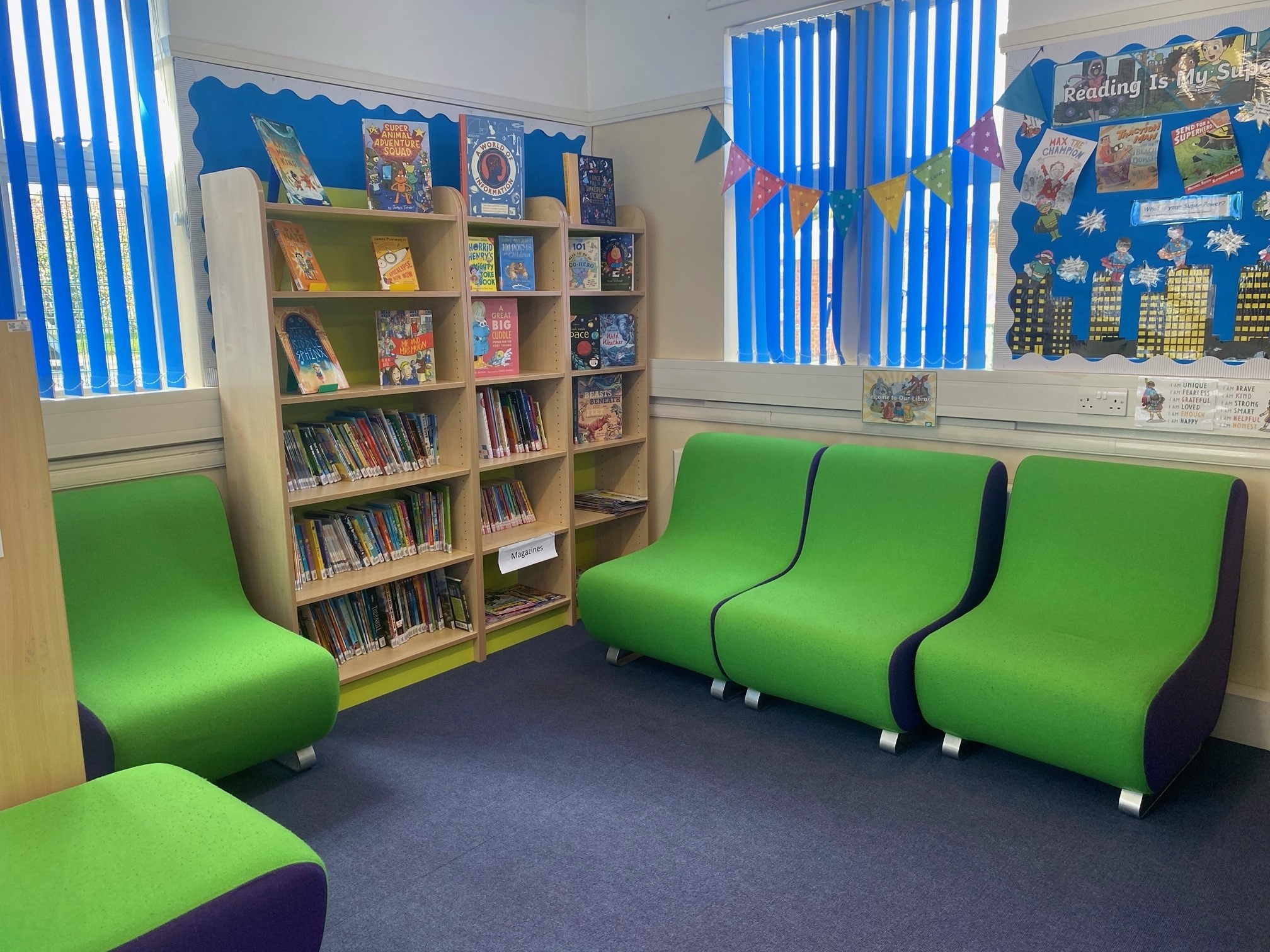
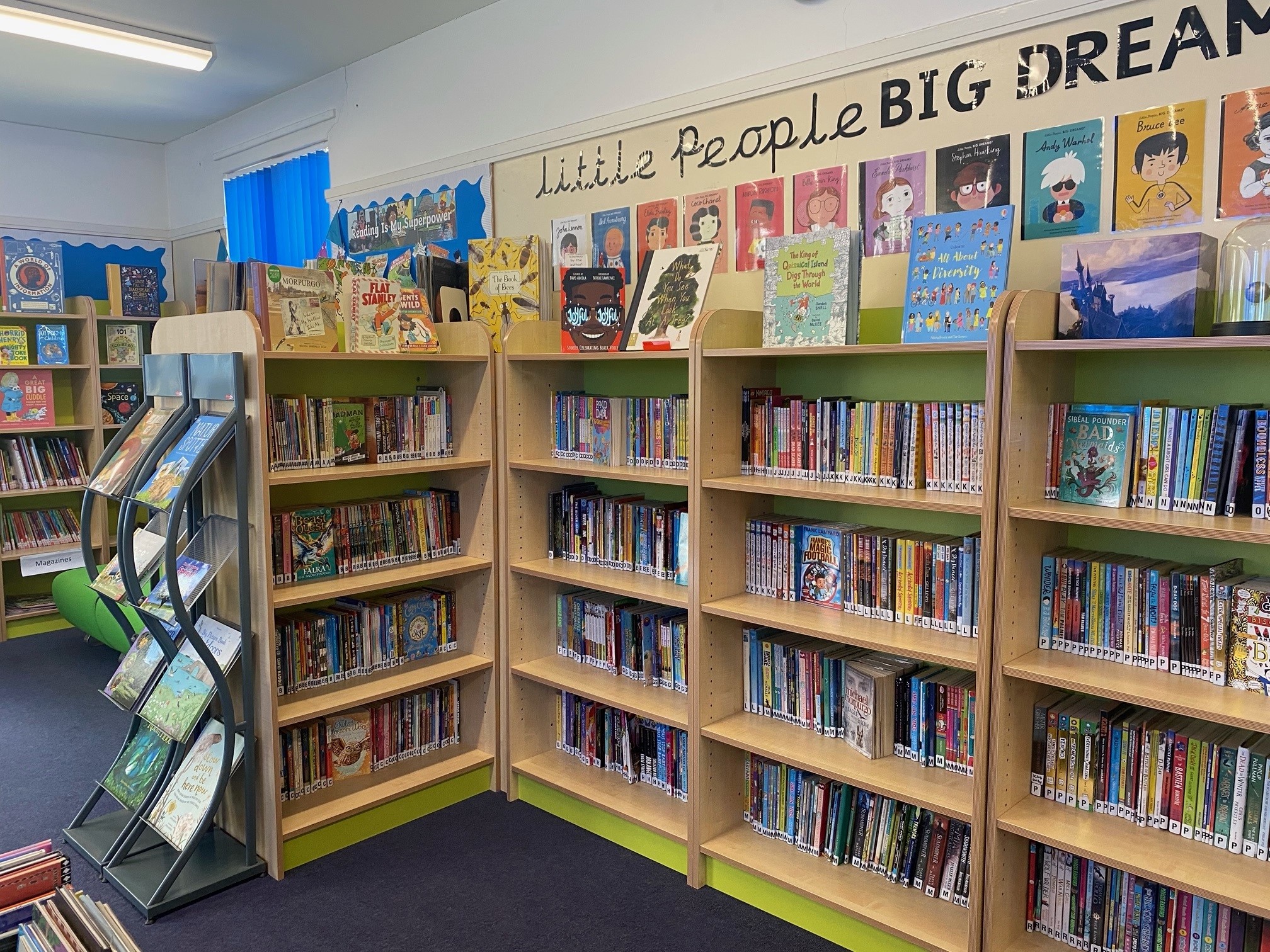
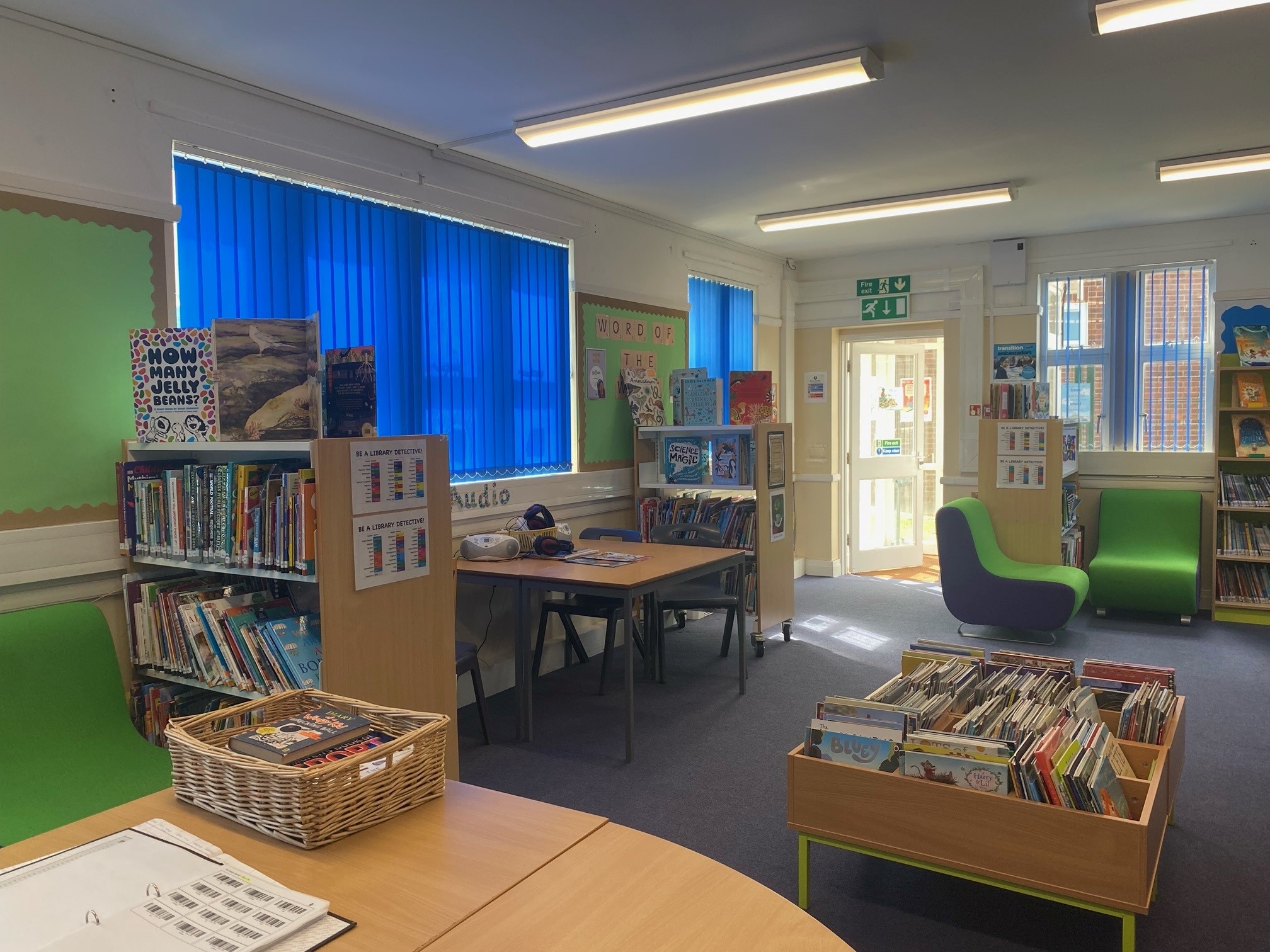
We have a well resourced, welcoming library that all pupils access weekly as part of their English lessons. They are also able to take part in a weekly library club where pupils can access books, audiobooks, magazines and paper based activities. We are proud of our library and pupils really enjoy being able to check out their own books. Have a look around with the pictures below:
|
|
|
|